


Something we hear all the time in the clinic.
“My hamstrings are just really tight.”
So naturally, people stretch.
They foam roll.
They try yoga.
And sometimes it helps. But often, the tightness comes straight back.
So, what’s going on?
In many cases, the issue isn’t the hamstrings at all. It’s something more widespread. Something we call the posterior chain.
What Is the Posterior Chain?
The posterior chain refers to the muscles along the back of your body. This includes the calves, hamstrings, glutes and lower back.
These muscles don’t work in isolation. They function as a linked system, working together to support your body and drive movement.
Whether you are walking, lifting, climbing stairs or simply standing still, your posterior chain is doing most of the work.
Why It Matters?
The posterior chain plays a major role in how your body moves and feels.
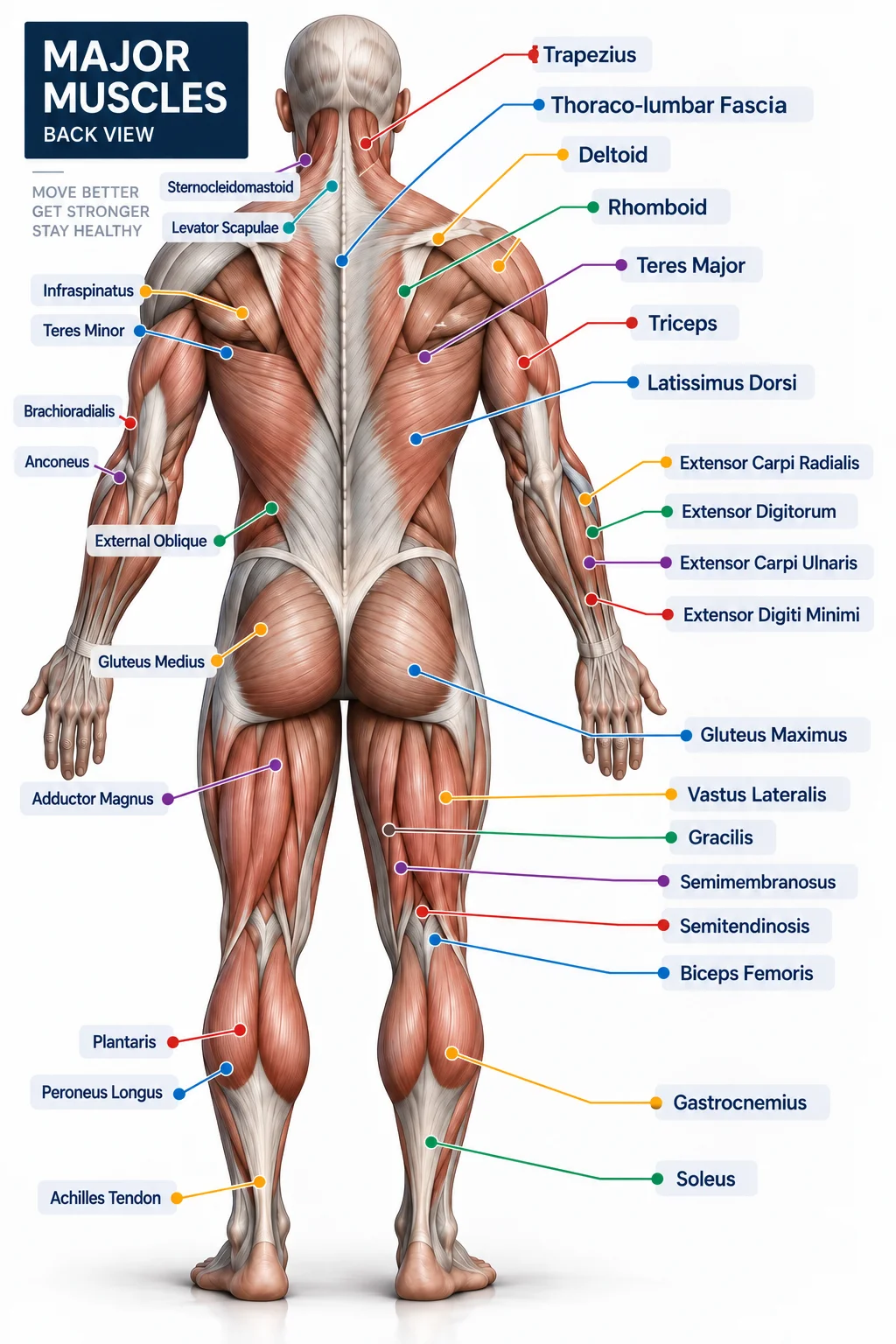
These muscles drive hip extension, which is a key movement used in everyday activities like standing up, bending, and lifting.
They also help stabilise your spine and pelvis, particularly when your body is under load.
When the system isn’t working well, other areas such as the lower back or knees are often forced to take on more stress.
They also play a key role in posture, helping you stay upright and counteracting the effects of prolonged sitting.
Why Problems Start?
Modern lifestyles are a big factor.
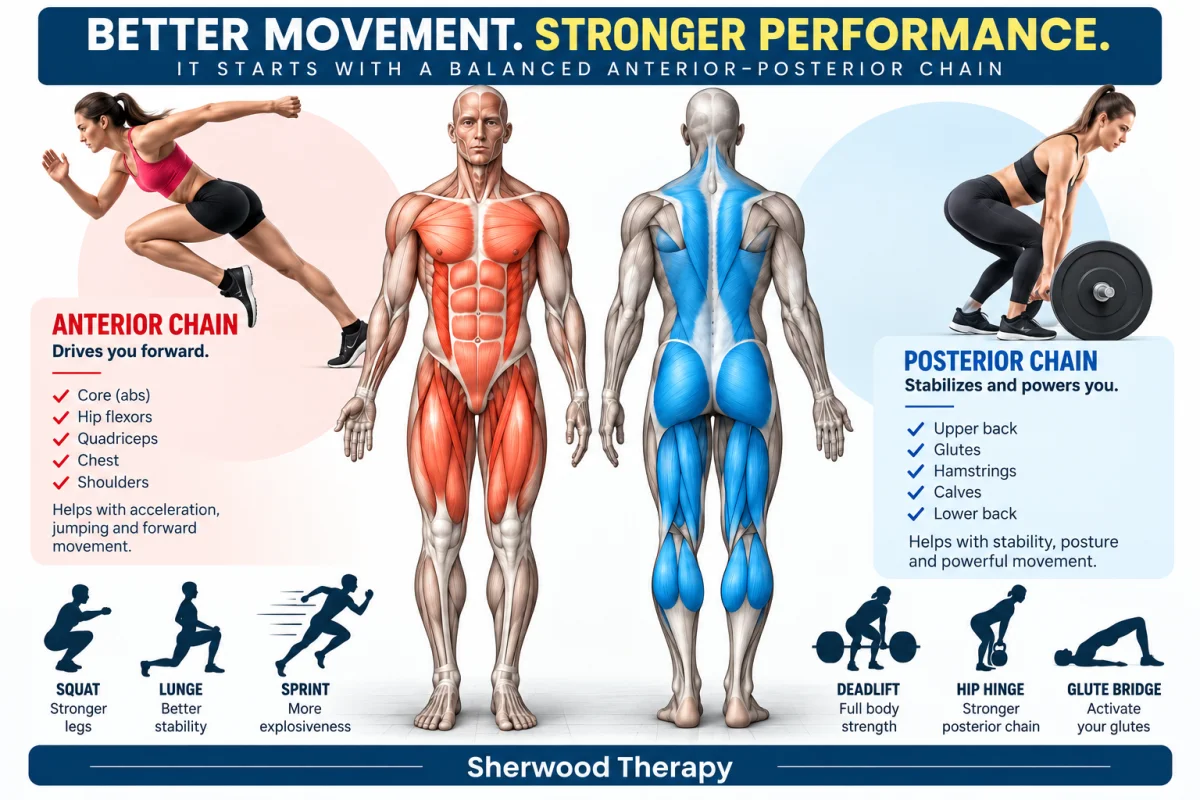
We spend long periods sitting at desks, in cars, or on the sofa.
Over time, this can lead to reduced glute activation, tight hip flexors and poor movement habits.
When this happens, the posterior chain becomes less effective and other muscles begin to compensate.
The “Tight Hamstring” Problem
This is where things often get misunderstood.
That feeling of tight hamstrings does not always mean the muscle is actually short.
Often, it means the hamstrings are working too hard because other parts of the system are not doing their job properly.
The glutes may not be contributing enough. Load may not be shared efficiently through the chain.
So while stretching may ease the sensation temporarily, it does not address the root cause. That is why the problem tends to return.
Signs Your Posterior Chain Might Need Attention
You might notice:
● Recurrent hamstring tightness
● Ongoing lower back discomfort
● Stiffness after long periods of sitting
● Difficulty bending or lifting
● Reduced strength or performance
If these symptoms keep coming back, it is often worth looking beyond the area that feels tight or painful.
What Actually Helps?
At The Sherwood Clinic, weuse a holistic approach for effective management, focusing on how your whole body functions rather than just the singular area of pain.
Treatment often includes:
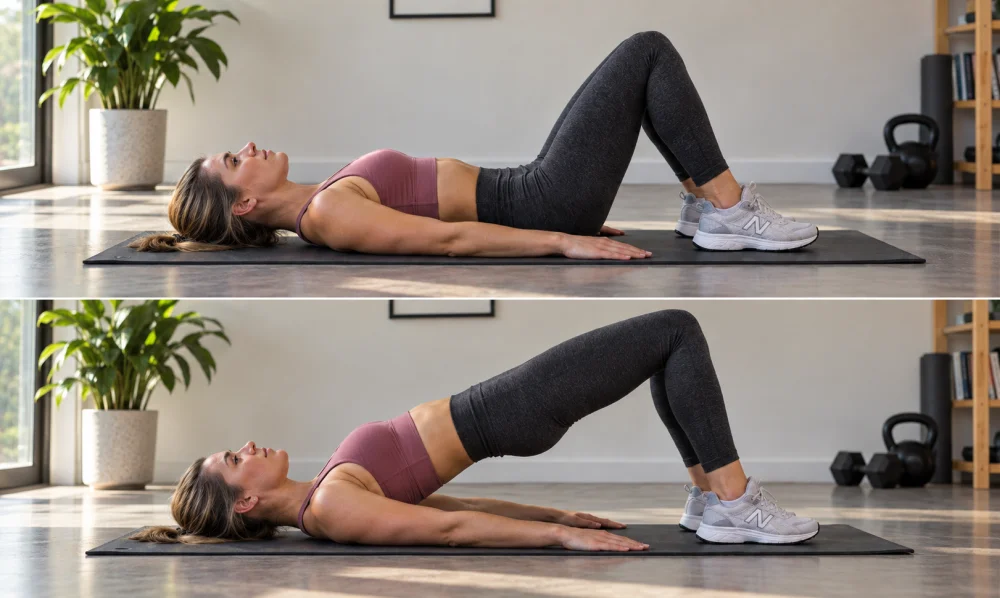
● Activation work to help underused muscles such as the glutes start working properly again
● Movement retraining to improve how you bend, lift and load your body
● Strength work to build control and resilience through the whole posterior chain
The goal is not just short-term relief but long-term improvement in how your body moves.
The Bigger Picture
The body rarely works in isolated parts.
Everything is connected.
The posterior chain is a good example of this. When it is not functioning well, symptoms can show up in different places, often away from the real cause.
The key message here is:
If you have been stretching regularly without much improvement, or dealing with recurring tightness or back discomfort, it may be time to rethink the approach.
Sometimes, the problem is not where you feel it. It is how everything is working together.
Do read this article in conjunction with “Understanding the Anterior Chain”. If you need help identifying the issue and would like an all-round, holistic approach to your care, why not call 0208 869 0000 to book an appointment with one of the expert clinicians at Sherwood Therapy?


